Industrial Hand Tools for Repair, Assembly, and Maintenance
Industrial hand tools support work that calls for controlled, hands-on force rather than a powered drive. They are used in manufacturing, equipment maintenance, construction, workshops, and service tasks, from tightening fasteners to gripping, cutting, measuring, or shaping materials. The category includes familiar essentials such as spanners, sockets, screwdrivers, pliers, hammers, files, and measuring tools, along with specialized tools for particular trades. Choosing the right tool can help users work more consistently and avoid damaging fasteners or workpieces. Consider the task, frequency of use, access to the work area, and the size of components before comparing options. Ubuy can help shoppers discover industrial hand tools and related products from international selections, making it easier to explore different tool types and specifications.
- Manual tools for controlled force and precision
- Options for workshop, site, and maintenance tasks
- Compare tool type, dimensions, and intended use
Common Types of Industrial Hand Tools
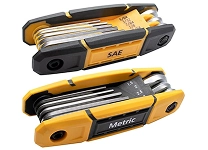
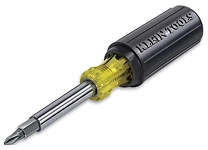
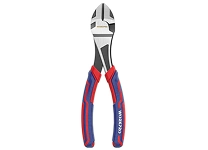
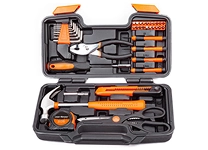
Fastening tools include combination, open-end, box-end, and adjustable wrenches, as well as socket sets, ratchets, and screwdrivers with different tip profiles. Pliers serve gripping, bending, holding, and cutting needs; common styles include combination, long-nose, locking, and diagonal-cutting pliers. Striking and shaping tools range from ball-peen and claw hammers to mallets, chisels, and files. Measuring and layout tools, such as tape measures, rules, levels, and squares, help with positioning and checking dimensions. Specialized options may include pipe wrenches, torque wrenches, hex keys, punches, or crimping tools. Sets are useful when several sizes or profiles are needed, while individual tools can fill a specific gap. Match each tool to its task and the fastener or material involved.
- Fastening, gripping, striking, and measuring tools
- Individual tools and multi-piece sets
- Specialty options for specific trades
Features That Affect Control and Compatibility
Fit and function are central when comparing industrial hand tools. For fastening, check the drive type, tip profile, opening size, measurement system, and range of sizes; an incorrect fit may slip or damage a fastener. For pliers and cutters, review jaw shape, cutting capacity, and the materials the tool is designed to handle. Handle length influences reach and leverage, while grip shape and surface can affect comfort and control during repeated work. Ratchets and socket accessories should use compatible drive sizes, and torque tools should have a suitable range and readable scale for the application. Insulated, non-sparking, or other task-specific designs should be considered only where their stated purpose matches the work requirements. Compare product specifications carefully rather than relying on appearance alone.
- Check size, profile, drive, and stated capacity
- Consider grip, leverage, and access
- Match specialized designs to the task
Materials, Construction, and Tool Design
Tool construction influences durability, handling, and suitability for demanding routines. Many hand tools use steel alloys, with product descriptions identifying finishes or treatments intended to help resist wear or corrosion. Chrome finishes, polished surfaces, and matte coatings can differ in feel and upkeep, so check the maker's care guidance. Handles may use molded plastics, elastomers, or layered materials to support grip and control; their shape and attachment are worth inspecting for frequent use. One-piece construction, reinforced joints, and precision-machined working ends are relevant design details, though quality should be assessed through specifications and intended application. Brands such as Bahco, Knipex, and Wiha are recognized in hand-tool categories, but compare individual models on features, dimensions, and task compatibility rather than brand name alone.
- Review material and finish details
- Compare handle shape and construction
- Assess each model against intended use
Accessories, Care, and Everyday Use
Accessories can extend the usefulness of a hand-tool collection. Socket extensions, adapters, bit holders, replacement blades, spare jaws, tool rolls, and storage cases help organize equipment or reach particular work areas. Confirm dimensions and connection standards before pairing accessories with a tool, especially for socket drives and interchangeable bits. Routine care helps tools remain ready for use: remove dirt and moisture after work, keep cutting edges protected, and store tools in a dry, organized place. Inspect handles, jaws, pivots, and working ends for looseness, wear, or damage before use, and follow product-specific maintenance instructions. Ubuy offers a way to discover tools and accessories from international product ranges, so shoppers can compare descriptions, sizes, and included components when building or updating a workshop kit.
- Check accessory fit and connection standards
- Clean, inspect, and store tools appropriately
- Compare included components and dimensions
Select the Right industrial hand tools
Start with the jobs the tools must perform, then identify the fastener sizes, materials, working conditions, and level of precision involved. For a general maintenance kit, prioritize frequently used wrenches, screwdrivers, pliers, a hammer, and measuring tools; add specialty equipment when a recurring task calls for it. Choose single tools when exact dimensions matter, or sets when a range of sizes is useful. Check product measurements, working capacity, handle design, material, and any compatibility notes. For repeated work, consider balance and grip as well as initial specifications, and select storage that keeps tools accessible and protected. Compare alternatives side by side and read the full product details before purchasing. A well-matched selection supports efficient repairs and assembly without adding tools that do not suit the work.
- Begin with tasks, sizes, and work conditions
- Choose sets or individual tools intentionally
- Review specifications and compatibility before buying