Glass Cleaners for Clear, Streak-Free Surfaces
Glass cleaners are formulated to remove fingerprints, dust, grease, water spots, and everyday residue from transparent surfaces. Common uses include windows, mirrors, glass doors, shower enclosures, and selected automotive glass. Products range from ready-to-use sprays to concentrates and wipes, with different formulas suited to routine touch-ups or tougher buildup. A cleaner's performance depends on more than its ingredients: the glass type, level of soiling, cloth, and drying conditions can all affect the finish. Some products are designed specifically for vehicle windows, while others are intended for household surfaces or multiple hard materials. Check the label before using a product on tinted, coated, treated, or specialty glass. Comparing intended use, application method, and surface compatibility helps narrow the choices and makes it easier to find a cleaner that fits your regular cleaning routine.
- For windows, mirrors, and other compatible glass
- Available as sprays, concentrates, and wipes
- Check surface guidance before applying
Types of Glass Cleaner and Their Uses
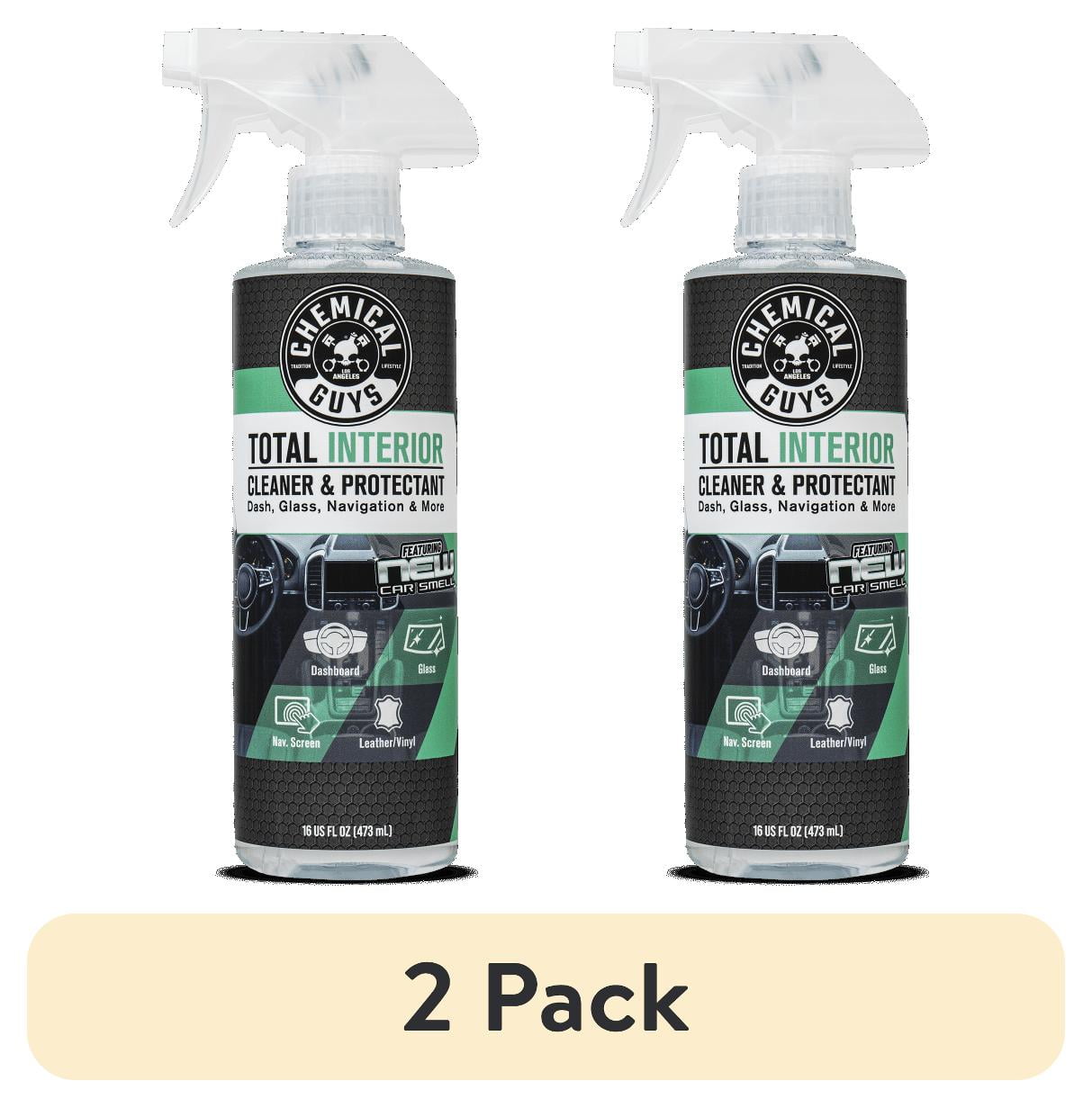
Ready-to-use glass sprays are a convenient option for mirrors, interior windows, and quick household cleaning. Concentrated cleaners can be diluted according to label directions and may suit larger cleaning tasks or regular use. Pre-moistened glass wipes are portable and useful for small areas, though they may be less practical for expansive panes. Automotive glass cleaners are developed for vehicle windows and can help address road film, fingerprints, and interior haze; confirm suitability for tinted glass before use. Foaming sprays cling to upright surfaces, which can help limit drips on shower doors or vertical windows. Specialty options may target hard-water deposits or other persistent marks, but not every formula is suitable for every finish. Brands such as Windex, Invisible Glass, Sprayway, and Kärcher offer products associated with glass-cleaning tasks; compare each label's directions and intended surfaces.
- Choose spray, concentrate, wipe, or foam
- Consider household or automotive use
- Match the formula to the surface
Formulas, Ingredients, and Cleaning Performance
Glass-cleaning formulas commonly use water with cleaning agents that loosen oily fingerprints and surface grime. Some products contain alcohol or other fast-evaporating ingredients to help the surface dry quickly, while others are marketed as ammonia-free. Neither label alone determines suitability: always check product instructions, particularly for tinted windows, protective coatings, acrylic, or nearby finishes. Scented and fragrance-free options can support different household preferences, and refillable or concentrated formats may reduce reliance on single-use spray bottles. For mineral deposits, a general-purpose glass spray may not be the right choice; look for a product specifically labeled for water spots and follow its precautions. Never mix cleaners, and use products in a ventilated area as directed. Reading ingredient information and warnings helps shoppers compare formulas thoughtfully, set realistic expectations, and select a cleaner suited to the residue and surface involved.
- Compare ammonia-free and other formulas
- Check ingredients and surface warnings
- Use specialty products for stubborn deposits
Tools, Accessories, and Glass-Cleaning Technique
The right accessories can make glass cleaning more consistent and help reduce lint or streaks. Microfiber cloths are commonly used for wiping and buffing, while squeegees help remove cleaner and water from large panes, shower screens, and smooth glass doors. For exterior windows, extension poles and compatible window-washing tools can improve reach; use them only as directed and with a stable setup. Apply cleaner to the cloth rather than directly onto a surface when overspray could affect frames, electronics, upholstery, or nearby finishes. Work in manageable sections, use a clean cloth, and avoid cleaning hot glass or direct sunlight when rapid drying may leave marks. Wash reusable cloths separately from lint-producing materials and follow care instructions. When browsing Ubuy, shoppers can explore glass cleaners alongside practical cleaning accessories and compare formats for different household or vehicle tasks.
- Pair cleaners with microfiber cloths
- Use squeegees for larger glass areas
- Keep tools clean to limit streaks
Compare Glass Cleaners for Home and Vehicle Care
Start by identifying where the cleaner will be used: interior mirrors, exterior windows, shower glass, vehicle windshields, or another compatible surface. Then consider the residue, whether it is light dust, oily fingerprints, soap film, or mineral spotting. Review application format, drying time guidance, scent, ingredient information, and whether the product needs dilution. For cars, confirm that the cleaner is suitable for the glass and any tint or coating; avoid assuming a household product is appropriate for every vehicle surface. For home use, consider bottle handling, spray control, and the size of the area being cleaned. Read instructions for contact time, wiping, ventilation, and storage before purchase. Ubuy provides a place to discover international glass-cleaning products and compare product descriptions, formats, and intended uses, helping shoppers assess options against their cleaning needs.
- Identify surface and type of residue
- Check vehicle tint and coating compatibility
- Compare format, instructions, and handling
Select the Right glass cleaners
A suitable glass cleaner should match the surface, cleaning task, and tools you plan to use. For routine mirrors and windows, a ready-to-use spray may be straightforward; for frequent or larger jobs, compare concentrates and refill options. Choose automotive formulas for vehicle glass when the label supports the intended application, and select specialty products only when their directions address the specific buildup. Look for clear instructions on compatible materials, dilution, application, and safety precautions. Consider whether you prefer a fragrance-free formula, a foaming spray for vertical glass, or wipes for smaller areas. Pair the product with a clean microfiber cloth or suitable squeegee, and store it according to its label. On Ubuy, compare glass cleaners by product type and stated use so you can make an informed choice for household, bathroom, or automotive cleaning without relying on assumptions about compatibility.
- Match cleaner to its intended surface
- Select a format that suits your routine
- Follow label directions for safe use