- Home Page /
- Books /
- Arts & Photography /
- Drawing /
- Pencil /
- How to Shade: A Beginner's Guide to Shading T...





Item #:
18696461
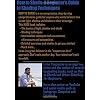
How to Shade: A Beginner's Guide to Shading Techniques, Including Step By Step Exercises, Tips & Tricks Paperback October 30, 2016
Item #:
18696461
HNL 521
Price Details
Excluding Shipping & Custom charges ( Shipping and custom charges will be calculated on checkout )
*All items will import from US
In stock
 Imported from USA store
QTY:
Order now and get it around Wednesday, June 24
Secured transaction
Ubuy works hard to protect your security and privacy. Our advanced payment security system ensures confidentiality by encrypting your information during transmission using AES (Advanced Encryption Standards) and SSL (Secure Socket Layer) protocols. Your payment details are 100% secure as we do not share your payment details with third party sellers.
Our Top Logistics Partners


Get your copy TODAY and finally learn how to shade!

Fast
Shipping

Free
Return*

Secure Packaging

100% Original Products

PCI DSS Compliance

ISO 27001 Certified


What Stands Out
Comprehensive Techniques
This guide covers a wide range of shading techniques, making it suitable for beginners looking to develop their skills through various methods and approaches.
Step-by-Step Exercises
The inclusion of step-by-step exercises ensures that learners can practice and apply shading techniques effectively, enhancing their understanding and confidence.
Expert Tips
Packed with expert tips and tricks, this guide provides valuable insights that help beginners avoid common mistakes and accelerate their learning process.
Product Details
- >>> HOW TO SHADEA Beginner's Guide to Light, Shading, Shadowing and Shading TechniquesDo you want to learn how to shade your drawings? Do you want to learn how light, shadow, shades and objects interact with each other?If you answered yes, then HOW TO SHADE is the book you need!Inside this huge book you will find step-by-step guidance on how light and shadows work together, and how to utilize them in your drawings. The also touches on contrast, chiaroscuro, composition and advanced lighting conditions (reflective, radiant and diffractive light). Liron is a great believer in the anyone can do it approach, and this belief resides in every chapter and page of this book.Here's more of what HOW TO SHADE offers:How light and shadows work together.What are shadows and what are shades.How to approach shading a drawing.ContrastChiaroscuroCompositionAdvanced lighting conditions (reflective, radiant and diffractive light.Shading techniques (As well as tricks...)Step-by-step exercises.Studies that show you how to approach more advanced subjects.Liron's super-personal approach to teaching art.And so much more...Get your copy TODAY and finally learn how to shade!
| Publisher | CreateSpace Independent Publishing Platform |
| Publication date | October 30, 2016 |
| Language | English |
| Print length | 250 pages |
| ISBN-10 | 1539818721 |
| ISBN-13 | 978-1539818724 |
| Item Weight | 1.23 pounds (560 grams) |
| Dimensions | 7 x 0.57 x 10 inches (17.8 x 1.4 x 25.4 cm) |
Who Should Buy?

-
Aspiring Artists
Ideal for beginner artists who want to learn various shading techniques to improve their drawing skills.
-
Art Teachers
Useful for instructors looking for structured exercises and tips to teach shading effectively to students.
-
Hobbyists
Great for casual artists who enjoy exploring new techniques and enhancing their drawing with effective shading methods.

-
Advanced Artists
Experienced artists may find the content too basic and not challenging enough to advance their skills.
-
Digital Art Enthusiasts
Those focusing on digital art may not find practical application for traditional shading techniques highlighted in the book.
-
Time-Constrained Learners
Individuals with limited time may prefer quicker resources rather than step-by-step exercises that require more commitment.
Product Description
Have any Query? Chat with us
Customer Questions & Answers
-
Question:
What is the main focus of 'How to Shade: A Beginner's Guide to Shading Techniques'?
Answer: 'How to Shade: A Beginner's Guide to Shading Techniques' primarily focuses on teaching beginners the fundamental shading techniques necessary for enhancing their drawing skills. This guide includes a variety of step-by-step exercises designed to improve your understanding of light and shadow, which are essential for creating depth in your artwork. Whether you are working with pencils, charcoal, or other mediums, learning to shade effectively can elevate your art. This book assists artists in visualizing forms more realistically, offering practical tips and tricks to master shading rather than just outlining. -
Question:
What types of shading techniques are covered in this guide?
Answer: The guide covers a diverse range of shading techniques including hatching, cross-hatching, stippling, and blending. Each technique is explained with practical examples and step-by-step exercises, allowing beginners to practice and refine their skills. By exploring these techniques, you’ll learn how to create varied textures and effects in your drawings. This understanding can be vital in translating the intricate details of objects and figures onto paper, thereby enhancing your overall artistic expression. -
Question:
Are there exercises included in 'How to Shade'?
Answer: Yes, 'How to Shade: A Beginner's Guide to Shading Techniques' includes numerous exercises throughout the book. These engaging activities are designed to help you apply the shading techniques you learn in real-time. For instance, you might find exercises focused on shading simple shapes, transitioning into more complex forms, and applying these techniques within different artistic scenarios. This hands-on approach ensures you not only understand the concepts but also gain practical experience on how to implement them effectively in your own artwork. -
Question:
Is this guide suitable for complete beginners?
Answer: Absolutely! 'How to Shade: A Beginner's Guide to Shading Techniques' is specifically tailored for complete beginners. The language is straightforward, and concepts are introduced progressively to avoid overwhelming new artists. This makes it accessible for those without prior experience in drawing or shading. By starting with basic shading exercises, the book builds foundational skills, which can serve as a stepping stone for further artistic exploration and development. -
Question:
What materials do I need to start shading as mentioned in the guide?
Answer: To get started with shading, the guide recommends various basic materials such as graphite pencils (ranging from hard to soft), blending stumps, erasers for highlights, and quality drawing paper. Additionally, charcoal and colored pencils are suggested for those looking to explore beyond graphite. Having a good set of tools helps facilitate the exercises provided in the book, enabling artists to experiment with different textures and depths in their shading. -
Question:
How can I apply these shading techniques in my art projects?
Answer: The shading techniques discussed in 'How to Shade' can be applied across a range of art projects, including still lifes, portraits, and landscapes. For example, if you're drawing a still life, understanding how to create shadows can add depth and realism to the composition. By practicing these techniques on various subjects, you can develop your unique style and improve your ability to convey mood and dimension, thereby enriching your overall artistic expression. -
Question:
Can I use these techniques for digital art as well?
Answer: Yes, the shading techniques covered in the guide can certainly be adapted for digital art. While the book focuses on traditional methods, understanding concepts like light direction and shadow depth is universal. Many digital art programs offer tools that mimic traditional shading techniques, allowing you to translate the skills learned from this book into a digital format. Consequently, whether using a stylus and tablet or software programs, you can apply these shading principles effectively. -
Question:
Does the guide include tips for overcoming common shading mistakes?
Answer: Yes, 'How to Shade' includes valuable tips aimed at helping beginners recognize and overcome common shading mistakes. For instance, the guide addresses issues like inconsistent pressure, which may lead to uneven shading, or misunderstandings about light source placement. By learning to identify these pitfalls, artists can enhance their skills more effectively. The inclusion of troubleshooting advice is invaluable, as it empowers artists to confidently rectify their work and advance in their shading journey. -
Question:
What are some common shading mistakes beginners make?
Answer: Beginners often make common shading mistakes such as applying too much pressure, which can create harsh lines instead of smooth transitions. Another mistake is poor interpretation of light sources, leading to unrealistic shading. The guide addresses these issues by promoting techniques such as gradual pressure application and understanding light direction. Awareness of these errors will help artists achieve more accurate and appealing shading results as they practice and develop their skills. -
Question:
Where can I buy 'How to Shade: A Beginner's Guide to Shading Techniques'?
Answer: You can buy 'How to Shade: A Beginner's Guide to Shading Techniques' on Ubuy. Ubuy is a reliable platform that offers a diverse selection of books, including this essential guide for beginners in shading and drawing. Shopping on Ubuy ensures that you can conveniently access this resource to enhance your artistic skills from the comfort of your home. Just visit Ubuy and search for the title to start your journey into the fascinating world of shading.
Pencil Editorial Review


**** "How to Shade: A Beginner's Guide to Shading Techniques, Including Step By Step Exercises, Tips & Tricks" has garnered an overwhelmingly positive reception from readers, particularly those who are new to drawing and shading techniques. The book stands out for its clear, approachable writing style that simplifies the intricacies of shading, making it accessible even to beginners with no prior experience. Readers have highlighted the wealth of practical content provided in the book, including step-by-step exercises and helpful illustrations that visually demonstrate shading principles. The conversational tone of the author helps maintain engagement, ensuring that even those who might typically get distracted can stay focused on the material. Many customers have expressed a sense of improvement in their artwork, attributing their newfound skills to the structured approach laid out in the book. While the book has received compliments for its comprehensiveness, some reviewers wished for a broader range of examples, particularly in facial shading. However, the Consensus remains that it is an invaluable resource for aspiring artists looking to enhance their understanding and execution of shading techniques. Overall, "How to Shade" serves as a fantastic entry point for anyone eager to elevate their artistic abilities through effective shading, combining educational content with an engaging reading experience. **
Customer Reviews & Ratings
307 customers ratings
-
5 Star
70%
-
4 Star
15%
-
3 Star
7%
-
2 Star
3%
-
1 Star
5%
Review this product
Share your thoughts with other customers
Pros
- Clear and straightforward explanations of shading techniques.
- Engaging and conversational writing style.
- Step-by-step exercises and numerous illustrations.
- Holds the reader's interest well.
- Helpful for understanding real-life and photorealistic shading applications.
- Suitable for beginners and those looking to improve their sketching skills.
Cons
- Limited examples of facial shading.
Product Price History
Important information
- Limitations : For products shipped internationally, please note that any manufacturer warranty may not be valid; manufacturer service options may not be available; product manuals, instructions, and safety warnings may not be in destination country languages; the products (and accompanying materials) may not be designed in accordance with destination country standards, specifications, and labeling requirements; and the products may not conform to destination country voltage and other electrical standards (requiring use of an adapter or converter if appropriate). The recipient is responsible for assuring that the product can be lawfully imported to the destination country. When ordering from Ubuy or its affiliates, the recipient is the importer of record and must comply with all laws and regulations of the destination country.
- Not all the products listed on Ubuy are for sale, as Ubuy is a global search engine. Products are subject to export/trade regulations.
HNL 521
Order now and get it around Wednesday, June 24
This item is not restrict in my country.(Please click on above link if this item is not restrict in your country, So our team will review and allow.)
QTY:
Secured transaction
Ubuy works hard to protect your security and privacy. Our advanced payment security system ensures confidentiality by encrypting your information during transmission using AES (Advanced Encryption Standards) and SSL (Secure Socket Layer) protocols. Your payment details are 100% secure as we do not share your payment details with third party sellers.
Our Top Logistics Partners
Fastest cross-border delivery
Features & Benefits
- Comprehensive guide for beginners on shading techniques.
- Learn how light and shadows interact in drawings.
- Includes step-by-step exercises for hands-on practice.
- Covers advanced topics like contrast and chiaroscuro.
- Personal approach from the author ensures accessibility for all.
- Perfect for anyone wanting to improve their drawing skills.